

The Small Group of Americans Trying to Build the Future
WORDS
Ciaran McCarthy
You’re fourteen years old and living in Chicago, an aspiring padel phenom. You train with your coach a few times a week, running drills, refining your technique. To feel truly challenged, you have to compete against adults twice your age.
Last spring your family flew to Miami to watch the pros and you got a photo with Agustín Tapia, framing it for your nightstand. Your YouTube and Instagram feeds are nothing but padel.
From inside your bubble, the future feels bright.
But beyond the comfortable confines of your club and your algorithm, the light begins to fade.
There are no varsity programs at the local university. No scholarships within 500 miles in any direction. No national training center calling to scout you. There is no obvious next step for you.
In much of North America, this is the paradox. There is no youth development because there isn’t homegrown elite talent. And there isn’t homegrown elite talent because youth development is largely absent.
The question now is whether America can build the infrastructure to create the future generation of domestic talent. Or whether American padel will remain, despite all its growth and spectacle, largely recreational.
A small group of executives, administrators and college organizers believe the answer to the first question is yes. They are attempting something ambitious: to construct, almost in reverse, a vertically integrated pathway from recreational courts to professional contracts.
If their plan works, in a few years the future of a fourteen-year-old in Chicago will look very different from the one he sees today.
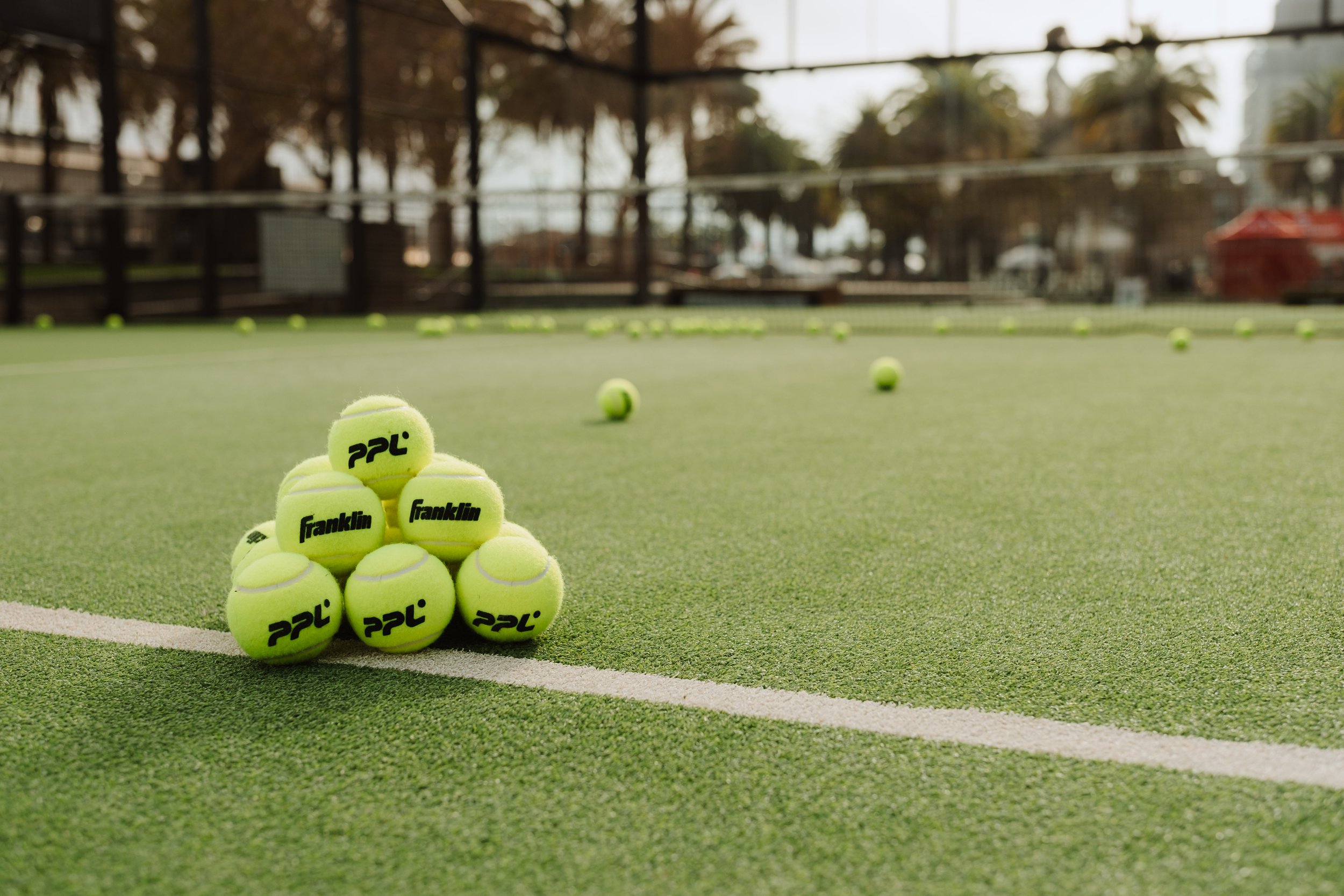
We don’t have to tell readers of this magazine that demand for the sport is growing. Membership in the United States Padel Association has grown more than 50 per cent in the past year; clubs are cropping up all over North America and there is progress being made in pretty much every metric.
Chairman of the USPA, Bill Ullman, says that the organization does not “set specific targets” in terms of player numbers, but expects the growth trend to continue “for at least the next five years.”
During those five years, there will be a boom in the professional arena, and the goal is to bring the U.S. and the rest of the emerging markets up to speed with the more mature markets of Europe and Latin America.
North America is already home to the world’s first professional padel league, aptly named the Pro Padel League, with 10 city-based teams playing in tournaments scattered across padel hotspots. With the world’s biggest talents filling out their rosters on single- and multi-year contracts, they’ve earned the eyes of audiences all around the world. Off the back of this success they are launching PPL II, a developmental league for the top-tier PPL. Participation has a requirement for North American citizenship and in 2026 the first season will largely include players already within the top 10 of the USPA rankings.
PPL CEO Mike Dorfman is aware it’s going to be a “many-step process” for talent to come in line with the world’s padel powerhouses, but is eager to be able to build “a ladder from the earliest stages of grassroots, community padel, at the amateur and youth levels, all the way through the pros.”
He explains: “PPL II is really our first step to developing a talent pipeline for the professional ranks. We’ve obviously started with PPL, the highest level of professional play, the top players from around the world and then from that we’ve realised that there’s quite a gap, from folks who are loving playing padel and training, to a pathway for them to actually make it as a professional player.
“We felt like there was really a need for us to help define and build that pathway, which was the genesis of PPL II. Certainly the focus here is to develop the professional level of the sport in the U.S. and that means developing talent that is living here. Spending time in the market, time with the fans, time in the community, and hopefully that helps build bridges between folks that are playing padel and folks that want to watch and enjoy the sport from a spectator standpoint and just building firmer ties to the community.”
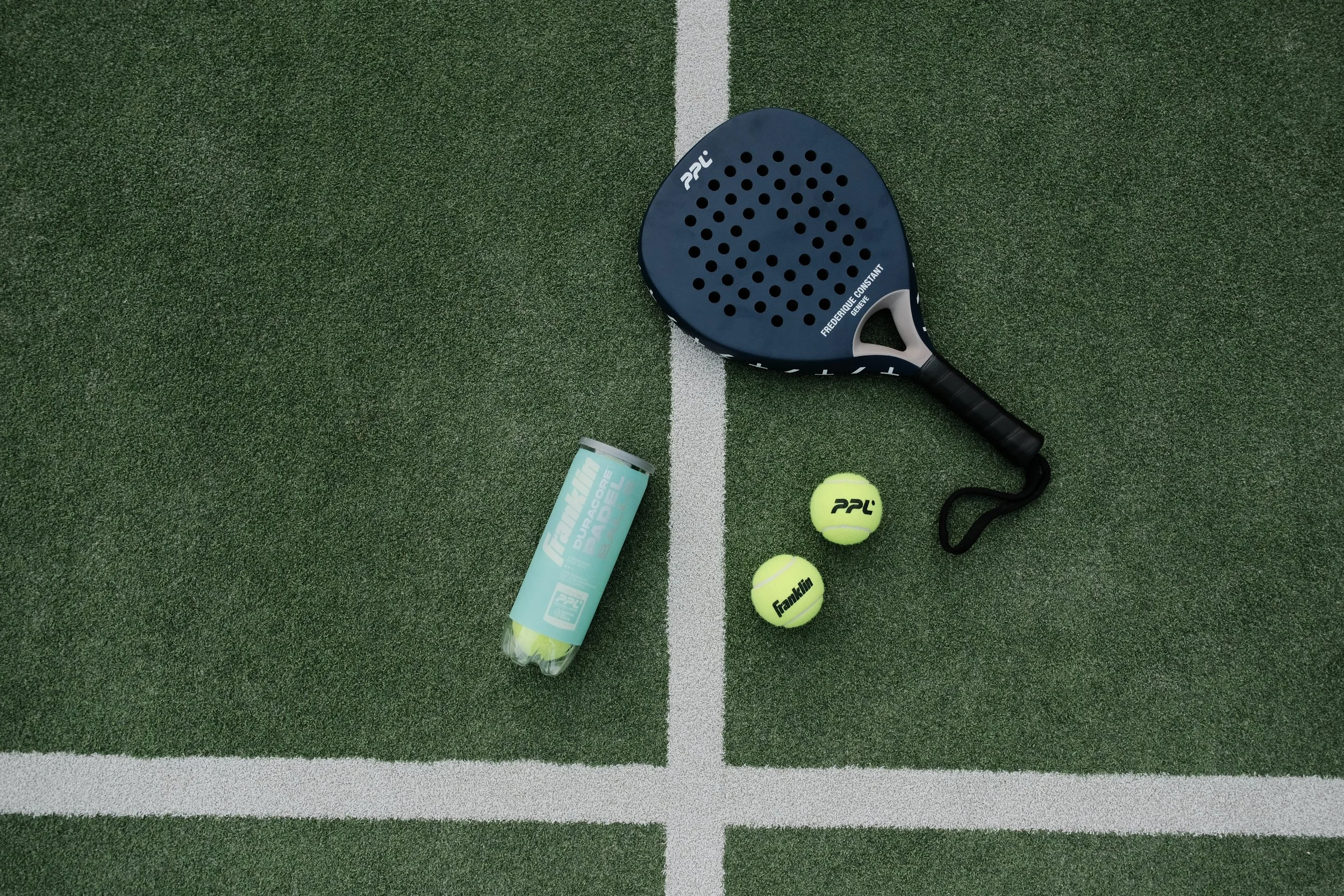
More eyes on the sport in the U.S. is a huge motivator, and the PPL’s multi-year partnership with sporting goods giant Franklin Sports can only help that, with padel equipment sharing shelf space with the big sports like football, baseball, basketball and so on in big box stores.
But there is a need to develop where the country’s talented padel players are coming from. Dorfman is aware the sport is much more developed in “adult communities” but wants to see more development of youth players. He therefore has a plan to “eventually start academy programs in our local team markets and youth programs to make that pathway really accessible and clear as early as possible. So for players that are really talented and want to pursue it as a career path, they know how to do so from an early age.”
Bill Ullman of the USPA is in agreement. Youth development is one of the most important things for the U.S. at the moment, and the USPA is beginning initial investments in collegiate padel.
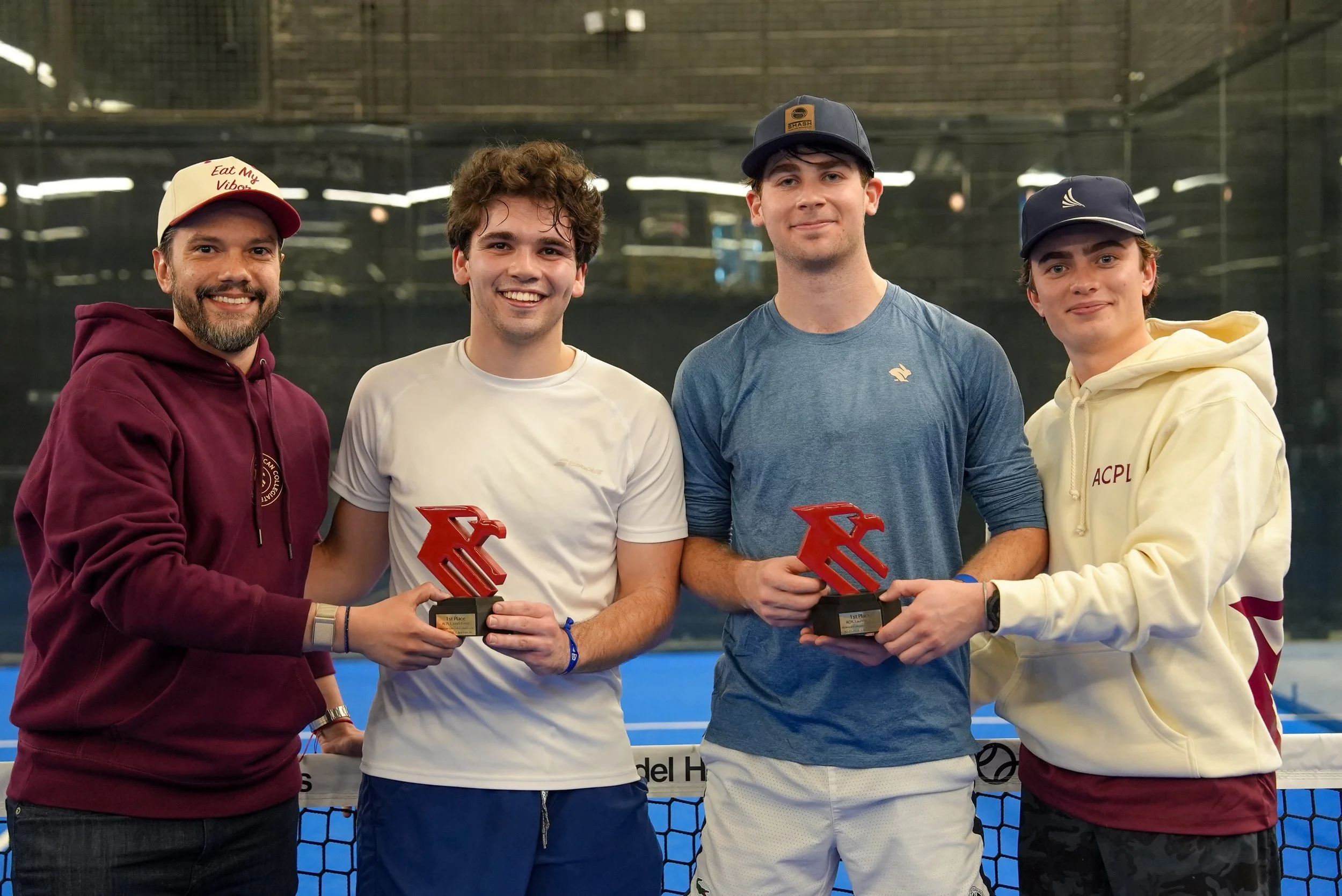
The USPA is not the only ones investing in college-level padel. Antonio Goes and Matthew Jenkins are thinking about how they can help bridge the gap from youth level to professional padel by creating the American Collegiate Padel League.
Goes explains, “We are living in a good moment for padel in the country, especially with PPL II coming up, because collegiate padel can be a stream of newly-professional players. Not only into Premier Padel, but also to feed into PPL II for example, and then into PPL.”
The goal of PPL II, a few years down the line, is to see the North American players who have started off in the second division breaking into the top tier and competing against the best players in the world.
Collegiate padel is in its infancy but can certainly provide the talent in the coming years which can go on to play professionally - that is its ultimate mission.
“I think that’s one of the goals for those kids, if they want to pursue the professional path we could be the route for them to go there,” Goes explains.
“What we are building is not only a league that the students will play, have fun, take the trophy and their prize and go home. We’re building a framework where those kids have somewhere to play.”
Indeed, there is currently a gap in infrastructure, where colleges themselves do not have courts and therefore these young athletes must play at local courts, with partnerships facilitated by the ACPL. But there is a hope that the growth will see colleges begin to take the sport seriously in the coming years and start building courts of their own.
The word ‘framework’ crops up a lot when speaking to those looking to push the game in North America. They’re all singing the same tune when it comes to wanting to put U.S. padel on the map and there’s an awareness of how this needs to happen. At the college level, there’s a clear goal in sight.
"I’d say after two seasons we will have enough players in maturity to get not only the schools on board, but also feeding those players to the professional level,” Goes says.
“It is part of a framework, it’s not like we are doing this first season from September ’26 to May ’27 and then some team of PPL will come and hire, I think it’s something we need all to build together. When I say all of us, that’s ACPL, USPA, the PPL and the FIP, so it’s a matter of making sure it’s one single padel system that feeds into each other and helps each other grow. That’s the thing we need.”
Jenkins adds, “We saw kids who were freshmen and sophomores playing this weekend who were really, really good, and they were just tennis kids who started to play padel for a couple of months. So if you give them an actual framework and a serious structure to play the sport, I think they could get a lot of attention and a lot of really, really good talent come out of that.”
He likens it to the four-minute mile; what was once a myth that has since become a legitimate target since first being completed. If you can see it, you can be it. In a few years down the line, when the first collegiate padel player goes on to play professionally, it will be a huge accomplishment for padel in the U.S.
Ullman mentions U.S. No.1s Brittany Dubins, Vinny Di Francesco and under-14 No.1 Ornella Beltramino as drivers of the professional sport in the U.S. and sees a lot of talent following.
He says, “All three of these athletes have shown what's possible for U.S. padel players. When padel becomes a mainstream sport in the U.S. with the overall infrastructure - the competition, training methods and facilities, coaches, college teams and sponsorship dollars - I'm confident lots of U.S. professionals will compete successfully at the very top of the sport.”
ABOUT THE AUTHOR
Ciaran McCarthy
Ciaran is an English sports journalist who began playing padel in 2025 and was quickly motivated to start writing about the game. Despite having a background focussed on covering English sporting sides, he’s interested in the growth of padel in every market and is eager to tell stories from all corners of the globe.